
ในยุคที่ทรัพยากรมีจำกัด “เศษวัสดุ” ไม่ใช่แค่ขยะอีกต่อไป แต่คือทรัพยากรมีค่าที่สามารถสร้างรายได้และช่วยโลกได้ในเวลาเดียวกัน ไม่ว่าคุณจะเป็นเจ้าของโรงงานที่มีเศษโลหะเหลือทิ้ง หรือบุคคลทั่วไปที่ต้องการเคลียร์บ้าน การเข้าใจกระบวนการ รีไซเคิลเศษวัสดุ (Scrap Recycling) คือก้าวแรกที่สำคัญ บทความนี้จะพาคุณไปรู้จักวิธีการเพิ่มมูลค่าให้กับเศษวัสดุของเก่าเหล่านั้น
ทำไมการรีไซเคิลเศษวัสดุถึงสำคัญกว่าที่คุณคิด?
การรีไซเคิลไม่ใช่แค่เทรนด์รักษ์โลก แต่เป็นความจำเป็นทางเศรษฐกิจและสิ่งแวดล้อม:
-
-
- ลดการใช้ทรัพยากรธรรมชาติ: การนำเศษเหล็กหรืออลูมิเนียมกลับมาหลอมใหม่ ใช้พลังงานน้อยกว่าการขุดแร่ใหม่หลายเท่าตัว
- สร้างรายได้หมุนเวียน: เปลี่ยนวัสดุเหลือใช้ให้เป็นเงินสด ทั้งสำหรับครัวเรือนและภาคธุรกิจ
- ลดปริมาณขยะฝังกลบ: ช่วยลดพื้นที่บ่อขยะและลดมลพิษทางอากาศจากการเผาไหม้
-
เศษวัสดุยอดฮิตที่ “ขายได้ราคาดี” มีอะไรบ้าง?
การรู้ประเภทวัสดุเป็นสิ่งสำคัญที่สุดในการรีไซเคิล โดยทั่วไปสามารถแบ่งกลุ่มใหญ่ๆ ได้ดังนี้:
1. กลุ่มโลหะ (Metals) – ราชาแห่งการรีไซเคิล
-
-
- โลหะมีเหล็กผสม (Ferrous Metals): เช่น เหล็กโครงสร้าง, เหล็กหล่อ, ซากรถยนต์ (ทดสอบได้โดยใช้แม่เหล็กดูดติด)
- โลหะนอกกลุ่มเหล็ก (Non–Ferrous Metals): กลุ่มนี้มักมีราคาสูง เช่น
- ทองแดง (Copper): สายไฟ, ท่อแอร์ (ราคาสูงมาก)
- อลูมิเนียม (Aluminum): กระป๋องเครื่องดื่ม, กรอบหน้าต่าง, ล้อแม็ก
- สแตนเลส (Stainless Steel): เครื่องครัว, อุปกรณ์โรงงาน
- ทองเหลือง (Brass): ก๊อกน้ำ, วาล์วต่างๆ
-
2. กลุ่มอื่นๆ (Others)
-
-
- กระดาษ: กระดาษลัง (OCP), กระดาษขาวดำ, หนังสือพิมพ์
- พลาสติก: ขวดน้ำ PET, แกลลอน HDPE
- ขยะอิเล็กทรอนิกส์ (E–Waste): แผงวงจร, คอมพิวเตอร์เก่า, โน๊ตบุ๊คเก่าเสีย , โทรศัพท์มือถือ (ต้องจัดการอย่างถูกวิธีด้วยความระมัดระวัง)
-
เคล็ดลับการคัดแยกเพื่อเพิ่มมูลค่าสูงสุด (How to Sort for Value)
-
-
- แยกประเภทให้ชัดเจน: อย่าปนเหล็กกับอลูมิเนียม หรือทองแดงกับทองเหลือง เพราะราคาต่างกันมาก
- ทำความสะอาดเบื้องต้น: เศษวัสดุที่ “สะอาด” มักได้ราคาดีกว่า เช่น การลอกฉนวนสายไฟเพื่อเอาทองแดงข้างใน (ปอกสาย) หรือการเทของเหลวออกจากกระป๋อง
- แยกเกรด: แม้จะเป็นวัสดุชนิดเดียวกัน แต่ต่างเกรดราคาก็ต่างกัน เช่น เหล็กหนา กับ เหล็กบาง
-
มองหาพันธมิตรรีไซเคิลที่คุณวางใจ
การเลือกผู้รับซื้อเศษวัสดุมีความสำคัญ ไม่ใช่แค่เรื่องราคา แต่รวมถึงความโปร่งใสในการชั่งน้ำหนัก และการจัดการที่เป็นมิตรต่อสิ่งแวดล้อม
เราคือผู้เชี่ยวชาญด้านการบริหารจัดการเศษวัสดุรีไซเคิลครบวงจร เรารับซื้อโลหะและวัสดุหลากหลายประเภทด้วยราคายุติธรรม อิงตามราคาตลาดกลาง พร้อมบริการที่รวดเร็วและเชื่อถือได้
มีเศษเหล็ก ทองแดง หรือวัสดุรีไซเคิลจำนวนมากใช่ไหม? อย่าปล่อยทิ้งไว้ให้เสียมูลค่า
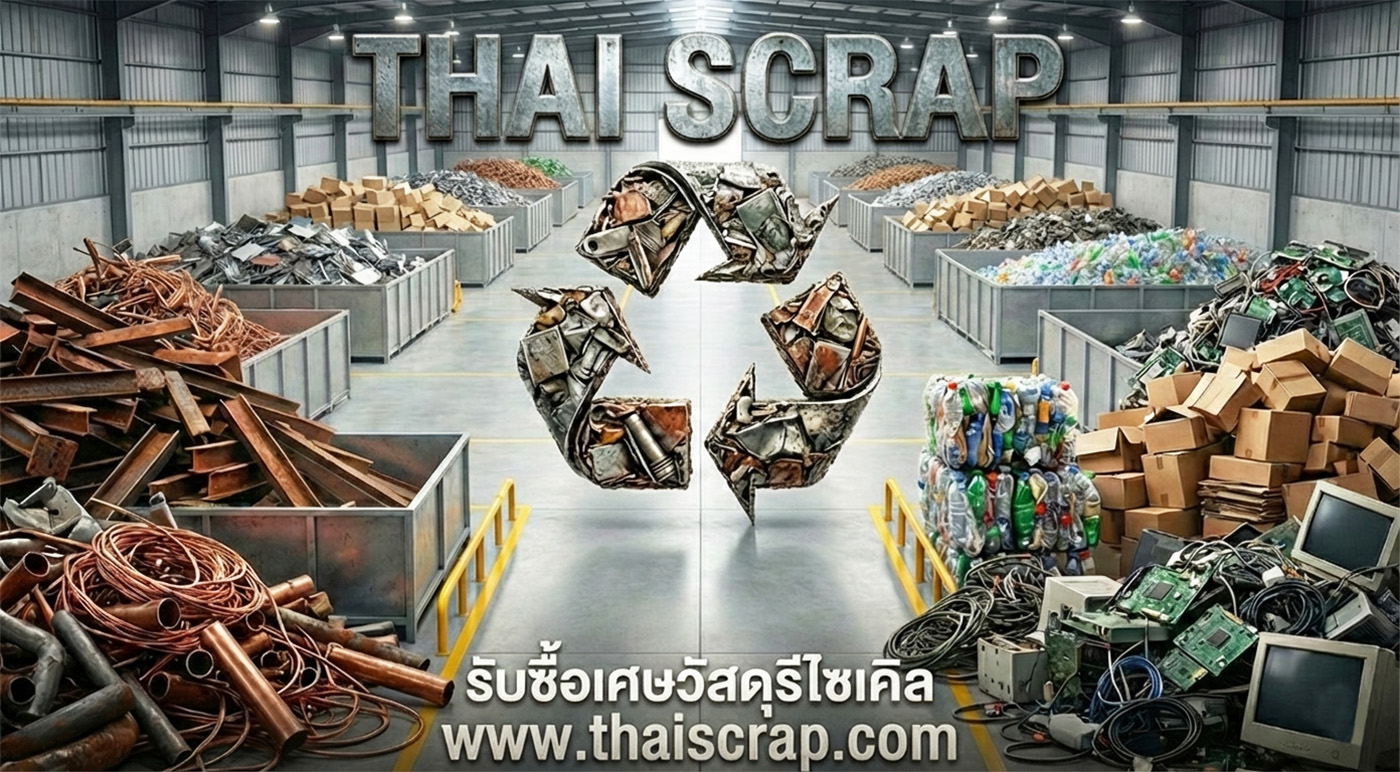
In a world facing resource scarcity, “scrap” is no longer just trash—it’s a valuable commodity. Whether you run a manufacturing plant with leftover metal cuttings or are simply clearing out a garage, understanding scrap recycling is the first step toward a more sustainable and profitable future. This guide will walk you through the essentials of turning recycling scrap materials into revenue.
Why is Scrap Recycling More Important Than Ever?
Recycling isn’t just an environmental trend; it’s an economic necessity:
-
-
- Conserving Natural Resources: Recycling existing metals, like steel or aluminum, uses significantly less energy than mining and processing virgin ores.
- Economic Benefits: It transforms waste streams into revenue streams for both businesses and individuals.
- Reducing Landfill Waste: Diverting scrap materials reduces the strain on landfills and minimizes pollution associated with waste disposal.
-
What Types of Scrap Materials Can Be Recycled?
Knowing what you have is crucial for maximizing value. Scrap is generally categorized into main groups:
1. Metals – The Core of Recycling
-
-
- Ferrous Metals: Metals that contain iron. They are magnetic and susceptible to rust. Examples include structural steel, cast iron, and end-of-life vehicles.
- Non–Ferrous Metals: These generally command higher prices and are not magnetic. Key examples include:
- Copper: Electrical wires, plumbing pipes, air conditioning units (highly valuable).
- Aluminum: Beverage cans, window frames, automotive parts.
- Stainless Steel: Kitchen equipment, industrial machinery components.
- Brass & Bronze: Valves, fittings, and decorative items.
-
2. Other Recyclables
-
-
- Paper & Cardboard: Corrugated cardboard (OCC), office paper, newspapers.
- Plastics: PET bottles, HDPE containers (requires specific sorting).
- Electronic Waste (E–Waste): Circuit boards, old computers, mobile devices (requires specialized handling due to hazardous components).
-
How to Sort and Prepare Scrap to Maximize Value
Selling mixed scrap often results in the lowest possible price grade. A little effort in sorting pays off significantly:
-
-
- Separate by Type: Never mix ferrous with non-ferrous metals. Keep copper separate from brass. The price differences are substantial.
- Clean vs. Dirty Scrap: “Clean” scrap (free of contaminants like plastics, rubber, or other metals attached) fetches a better price. For example, stripping the insulation off copper wire increases its grade value.
- Know Your Grades: Even within the same metal type, grades exist. Heavy melting steel is valued differently than thin sheet iron.
-
Choosing the Right Recycling Partner
Selecting a scrap metal buyer is about more than just the highest quoted price today. It’s about trust, transparent weighing scales, fair pricing based on current market indices, and environmentally responsible processing.
we are experts in comprehensive scrap material management. We buy a wide range of metals and recyclables, offering fair, transparent pricing and efficient service you can rely on.